Do you want to remain competitive in your B2B business? It is no surprise that digitalization and e-commerce are the way forward. The real question is where to focus and how to stand out.
B2B companies that embrace digitalization and integrate it across sales, service, and marketing are better prepared for a future defined by rapid technological change and shifting market dynamics.
So what does the future hold? Where should you focus in the coming year? Below we outline the most important B2B e-commerce trends for 2025.
1. Digital Transformation and E-Commerce Integration
Digital transformation has become a buzzword, but for good reason. The COVID-19 pandemic accelerated the adoption of digital sales platforms faster than ever before.
A strong e-commerce platform offers many advantages. Streamlined data and workflows help B2B companies reach a higher level of digital maturity, enabling better customer experiences while reducing operational costs.
This creates stronger growth opportunities and improves access to new markets and customer segments because the digital foundation is in place.
Workwear Group is a good example. The company behind billig-arbejdstøj.dk has grown successfully for many years and expanded its business with a new site on Pro-dress.com. Their e-commerce platform enabled a smooth Salesforce implementation and ensures future scalability with fast time to market.
2. Personalized Customer Experiences
B2B buyers increasingly expect purchasing experiences similar to their private online shopping habits, including personalized interactions and recommendations.
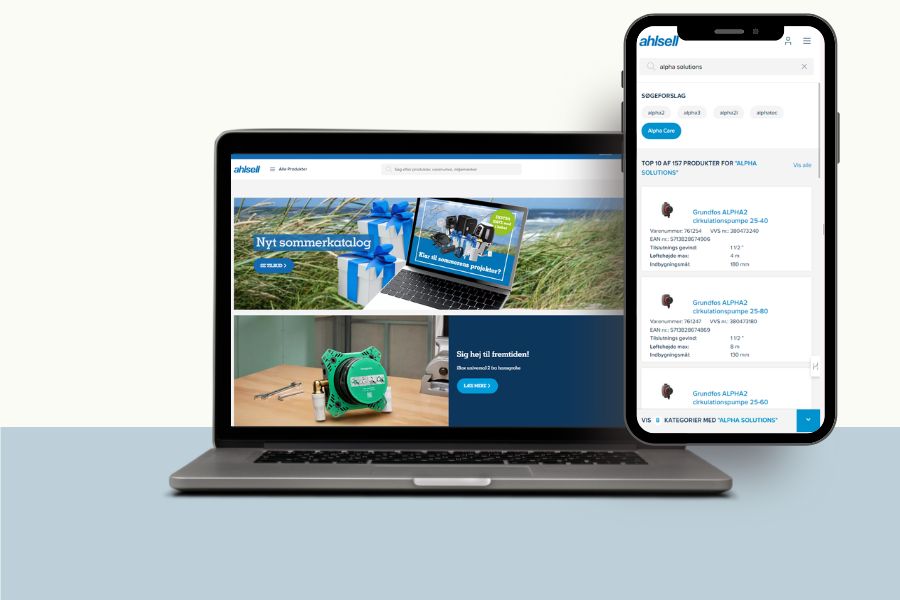
Ahlsell embraced this in 2024 by launching a personalized search function powered by crowd intelligence. Search results and recommendations are based on prior behavior, allowing customers and employees to find products in half the time.
Personalization will continue to evolve, and with advances in AI and automation, the future looks promising.
3. More AI and Automation
AI and automation are reshaping every industry. B2B e-commerce is no exception.
From AI customer service agents to intelligent product recommendations, AI makes online sales and support more efficient and modern.
AI tools can assist with:
Inventory forecasting
Price optimization
Personalized content generation
When AI is used strategically and built on your own data, it reduces employee workload and frees teams to focus on higher-value strategic tasks.
4. Sustainability and Ethics
Sustainability is no longer optional. It is a requirement.
For B2B companies, supply chain transparency and sustainable materials benefit both the planet and the business, especially with increasing ESG reporting requirements and digital product passports.
Modern PIM systems help organize product data and create transparent product descriptions that strengthen both online presence and sustainability credibility.
5. Mobile B2B Commerce
More B2B companies are optimizing their platforms for mobile use as professional buyers increasingly rely on smartphones and tablets for purchasing.
This trend will continue to grow. Studies show that buyers often make professional purchases during personal time and expect the same convenience they experience in B2C commerce.
Focus on making mobile purchasing easy, including search, navigation, and streamlined checkout.
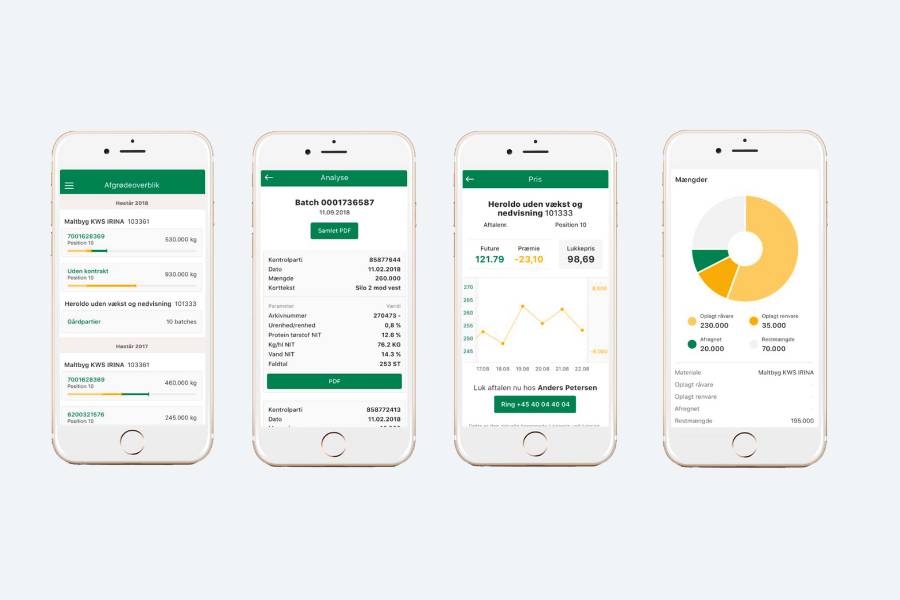
DLG, for example, enables 25,000 members to self-serve through its mobile app, allowing farmers to access contracts, place orders, and track crop prices.
6. Safety First
As B2B transactions and customer data become increasingly digital, strong security is not only protection. It is a competitive advantage.
In 2025 it remains essential to invest in robust security to protect sensitive information and maintain trust with partners.
Key measures include:
Advanced encryption technologies
Two-factor authentication
Regular security audits
Strong security ensures operational continuity and peace of mind.
7. Focus on Integration and Operational Optimization
As B2B companies adopt more software solutions, maintaining and updating systems becomes more complex.
Manual workflows, fragmented data, and legacy systems slow internal operations. Too much time is spent troubleshooting instead of improving performance.
An integration platform enables seamless data exchange between ERP, CRM, and inventory systems. Standardized formatting improves data quality, reduces monitoring needs, and eliminates performance bottlenecks.
For B2B companies, this supports a more scalable and competitive business model.